.png)

Zurück zur Liste

Most shoppers have experienced it.
A size that fits perfectly in one product feels completely wrong in another. Two garments with the same label behave differently on the body. A familiar brand suddenly feels unpredictable.
These experiences are often explained away as personal preference or brand inconsistency. However, they are often the result of deeper structural issues in how sizing and fit are defined.
At the center of the problem are two factors that rarely receive enough attention: measurement variance and body diversity.
Measurement variance refers to the differences that occur between intended garment measurements and how products actually behave once produced, worn, and sold at scale.
Even when a brand follows a defined size chart, several sources of variation are introduced along the way:
Individually, these differences may seem small but combined they can significantly affect how a garment fits in practice.
From the customer’s perspective, these variances are not visible. What they experience is inconsistency.
Sizing systems were originally built around standardized body models. These models assume relatively uniform proportions and predictable scaling between sizes.
Real bodies do not follow these assumptions.
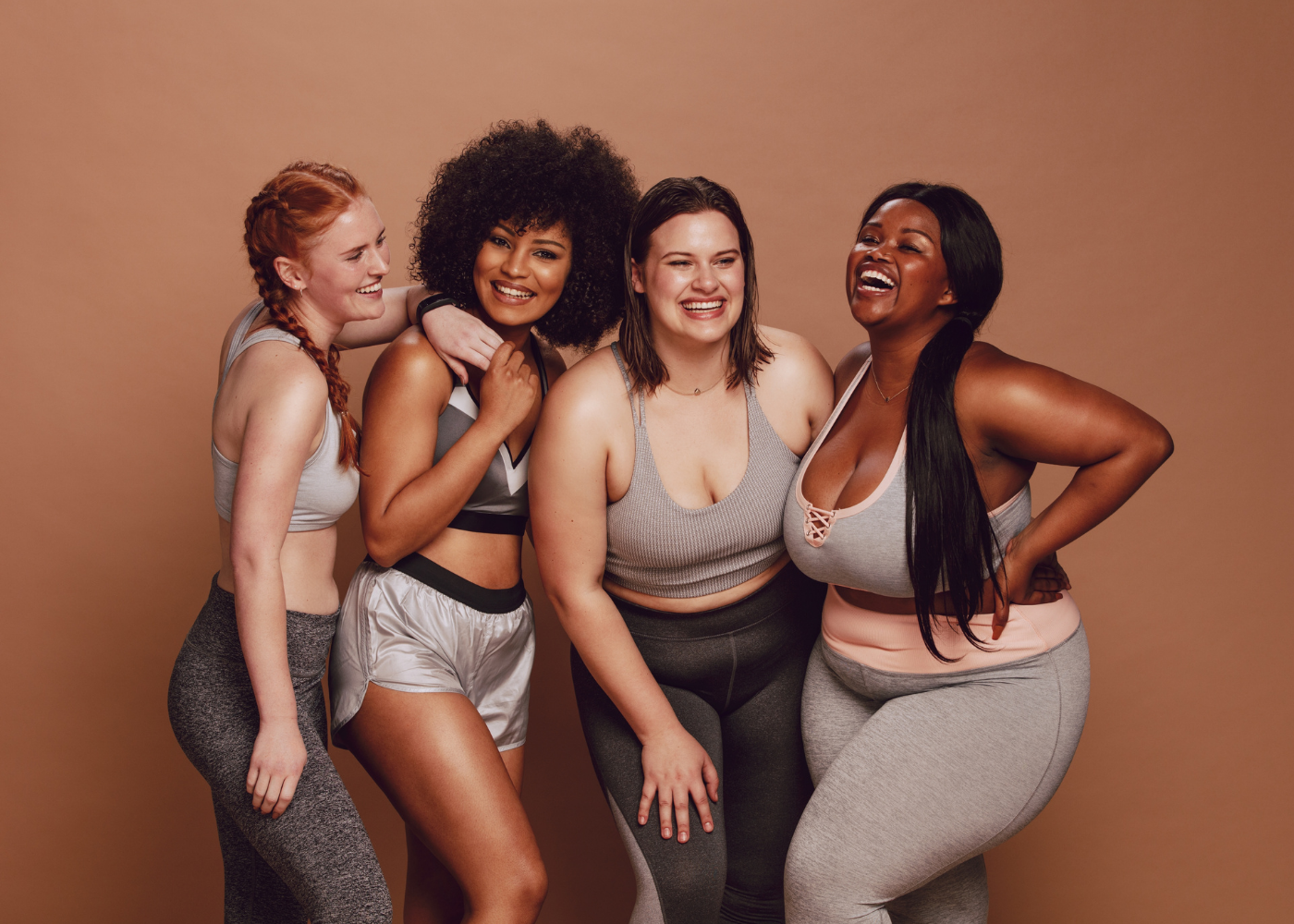
Customers with the same chest or waist measurement can differ substantially in shoulder width, torso length, hip shape, or posture. Regional differences, age distribution, and lifestyle factors further widen this variation.
As a result, a garment designed to fit a theoretical size profile often fits only a portion of the people labeled with that size.
This is not an edge case. It is the norm.
Grading rules are meant to translate a base size into a full size range. While this approach works mathematically, it struggles biologically.
Bodies do not scale linearly. A change in width does not always correspond to a proportional change in length or depth. When grading assumes symmetry where none exists, fit accuracy declines as sizes move away from the base model.
This is why fit issues often concentrate at the edges of the size range, and why some sizes consistently underperform across products.
The issue is a structural limitation of traditional grading logic.
Customers rarely articulate measurement variance directly. Instead, it appears through behavior.
They hesitate longer on product pages. They compare sizes repeatedly. They buy familiar products but avoid new silhouettes. They return items that technically match their measurements but feel wrong when seen or worn.
From the outside, these behaviors look subjective. From a sizing perspective, they are predictable outcomes of variance and mismatch.
In response to sizing challenges, many brands invest in more detailed size charts or explanatory content.
While helpful, these tools usually rely on static representations of fit. They describe intent, not outcome.
They cannot account for how a specific fabric behaves on a specific body shape in motion. They do not resolve uncertainty when variance accumulates across multiple factors.
As long as sizing remains detached from real customer bodies and real product behavior, confidence gaps persist.
Measurement variance and body diversity are not problems to be eliminated.
They are inherent to fashion production and human diversity.
The challenge for brands is not to force uniformity, but to understand and manage variation more explicitly.
When variation is ignored, customers are left to absorb the risk. When it is acknowledged and addressed, confidence improves.
This is why fit cannot be treated as a one-time sizing decision or a static chart.
Fit lives at the intersection of product measurements, material behavior, and real human bodies. Any approach that ignores one of these elements will struggle to deliver consistent experiences.
Understanding measurement variance is one step toward understanding why customers hesitate, why returns cluster, and why fit remains one of the most persistent challenges in fashion e-commerce.


